Grocery Trends Shaping 2026
How Rice, and Riceland as Your Partner, Can Help Retailers Win What’s Next
As retailers look ahead to 2026, one thing is clear: the grocery aisle is no longer just about products—it’s about purpose, flexibility, and trust. Consumers are demanding more value from every trip, balancing budget pressure with wellness goals, cultural curiosity, and a desire for brands that feel real and reliable.
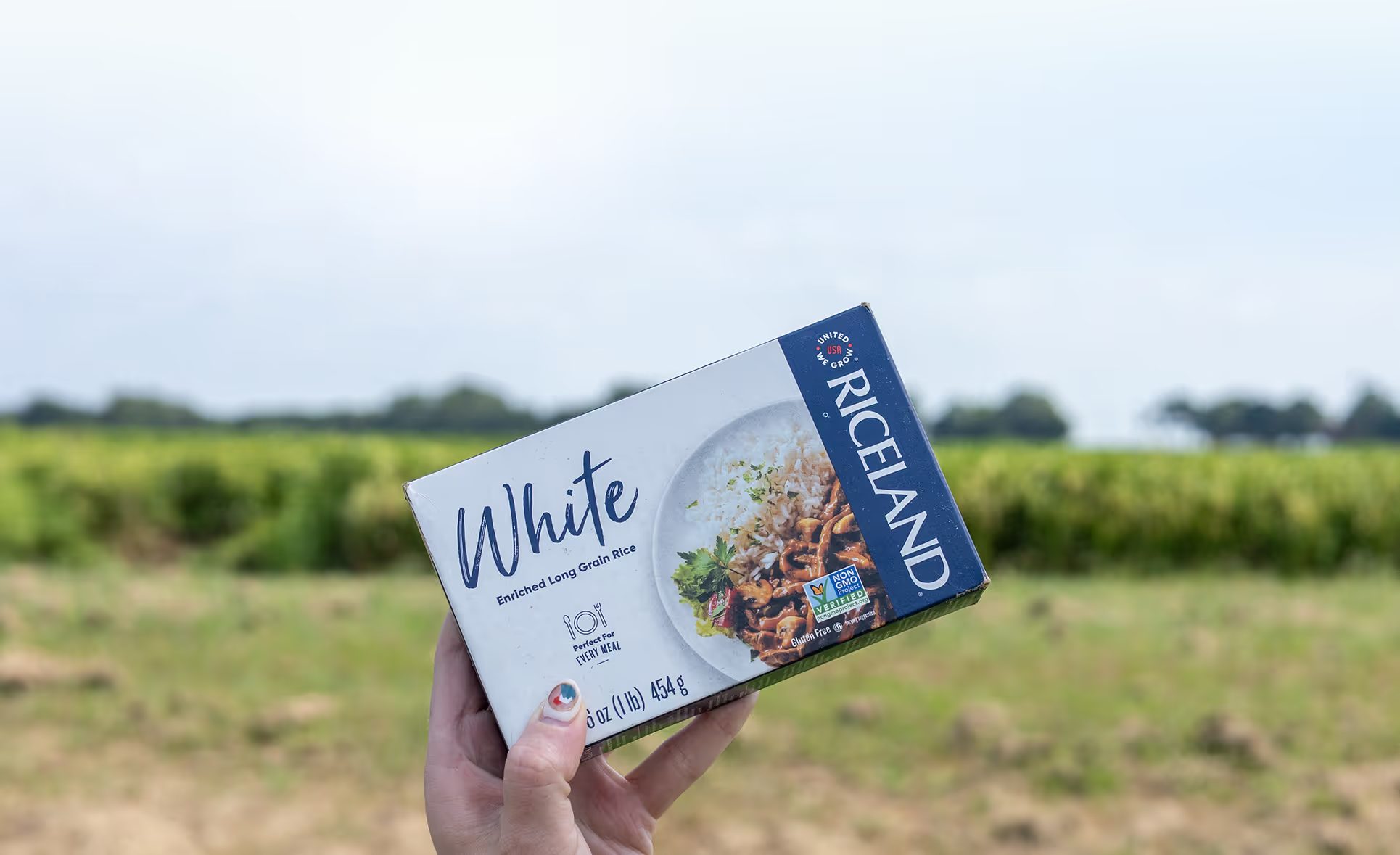
Across the industry, several macro trends are emerging that will directly impact assortment, merchandising, and promotional strategy. Rice—valued for its versatility and affordability—is uniquely positioned to meet these shifts head-on. And with its farmer-owned cooperative model and U.S. Grown supply, Riceland Foods is well positioned to help retailers navigate what’s next.
Below are the key grocery trends heading into 2026—and what they mean for your rice set.
1. Value Reframed: Affordable, Not “Cheap”
Trend: Shoppers are becoming more price-conscious, but they are not simply trading down. Instead, they are prioritizing high-utility pantry staples that stretch across multiple meals, cuisines, and occasions. Industry analysts note that consumers are redefining value as cost per use, not just shelf price.1 Items that anchor multiple meals per week are winning space and loyalty.
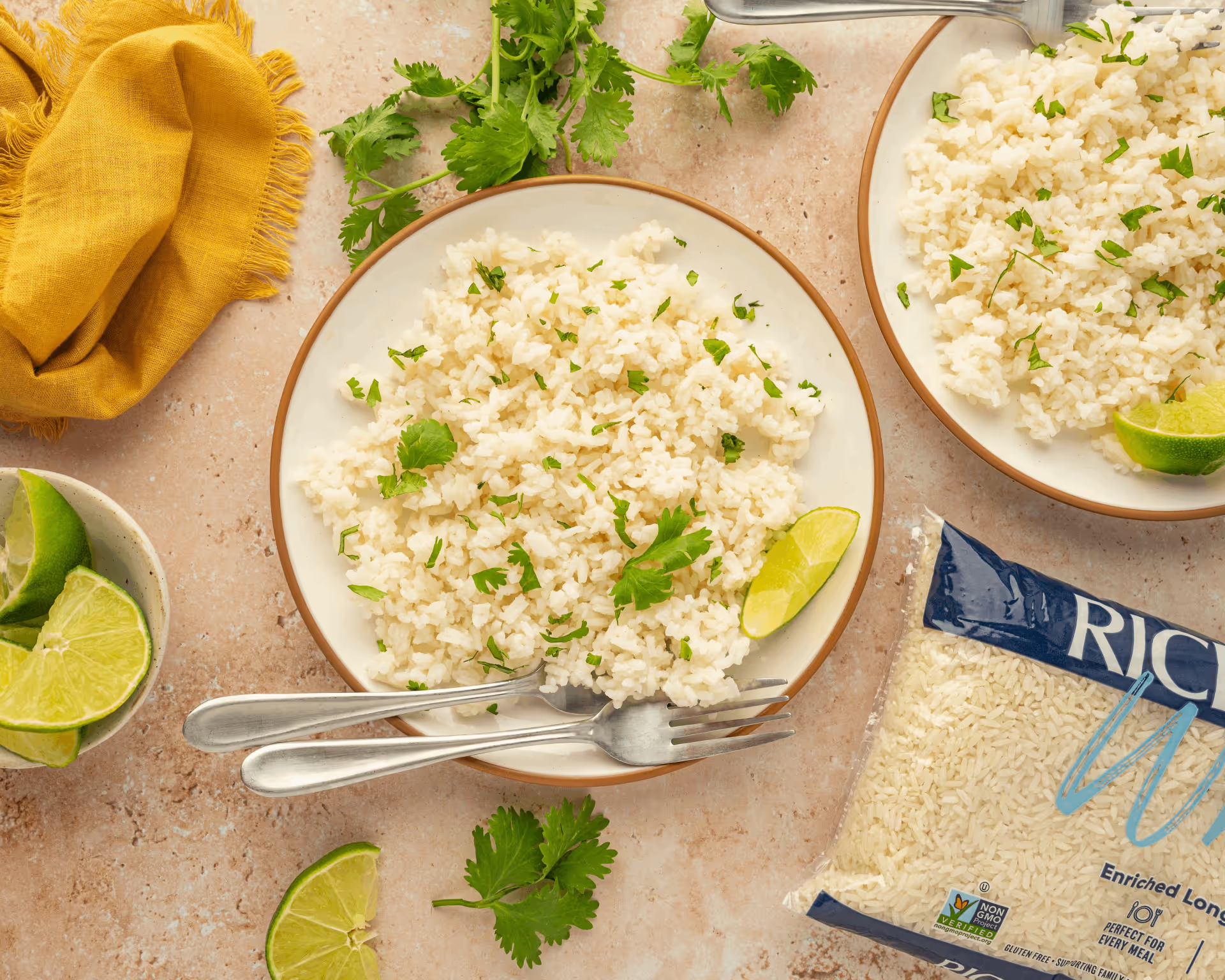
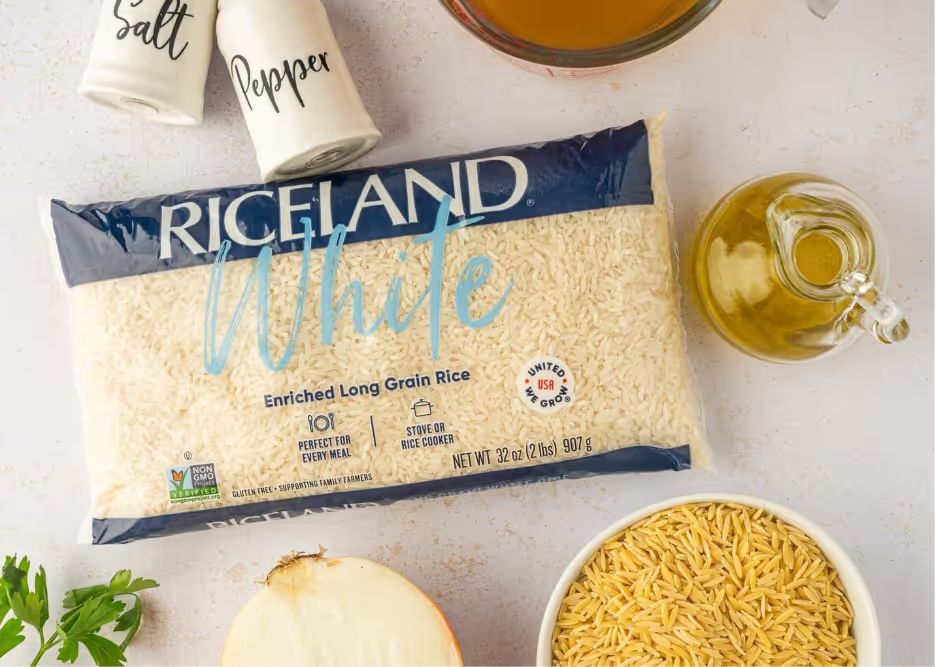
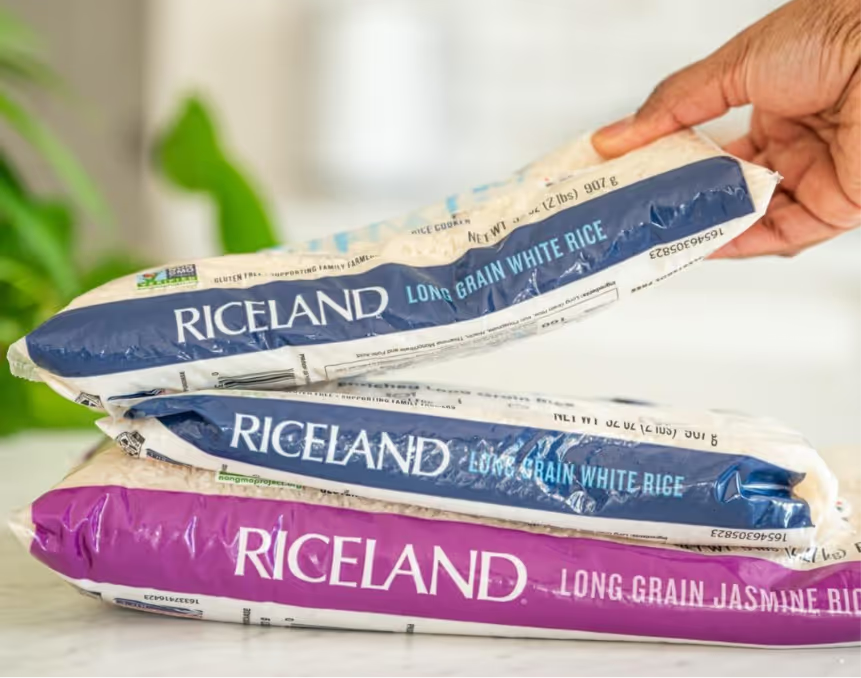
Why rice fits: Rice checks every box—long shelf life, low cost per serving, and near-universal household relevance. As retailers refine assortments for efficiency, rice remains a foundational category that supports meal planning, batch cooking, and family-style dining. Riceland offers a full portfolio of long grain white, jasmine, and parboiled rice—grown in the U.S. by family farmers—giving retailers dependable supply and strong value messaging without sacrificing quality.
2. Wellness Goes Practical (and Personal)
Trend: Wellness is evolving from rigid definitions of healthy to personalized, functional eating. Consumers are asking: What does this food do for me right now?—whether that’s supporting fullness, digestion, energy, or balance. According to research from Tastewise2, post-GLP-1 conversations have accelerated interest in portion control, fiber-forward meals, and simple ingredients that integrate easily into everyday routines.
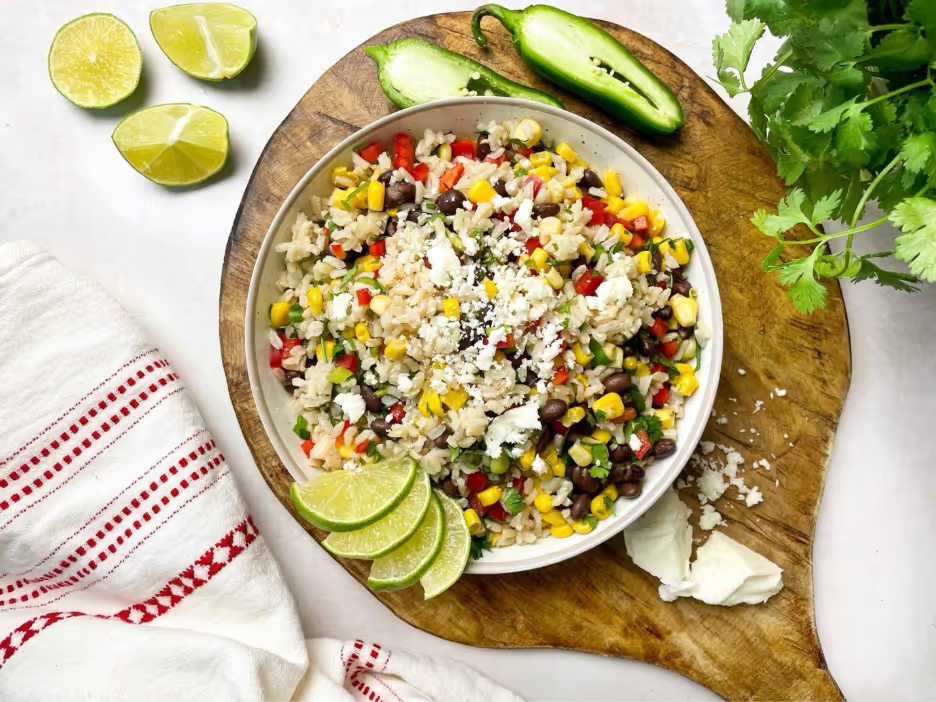
Why rice fits: Rice is naturally gluten-free, easy to portion, and adaptable to a wide range of dietary needs. Rice remains a well-recognized, easy meal base in kitchens across America. Riceland provides consumers with recipe inspiration that keeps rice relevant in modern conversations—without chasing fads.
3. Cultural Connection & Global Comfort
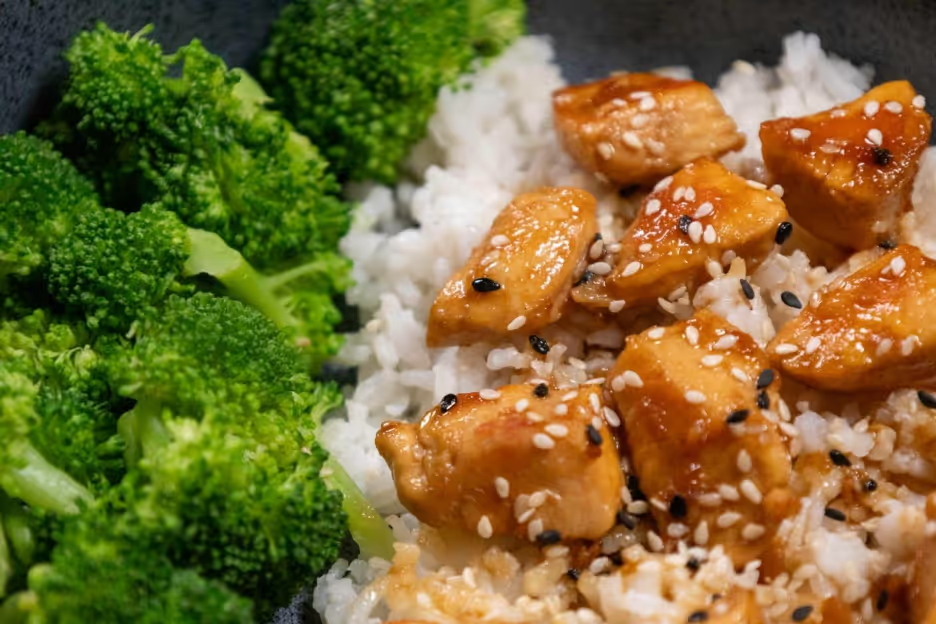
Trend: Consumers are craving foods that feel both comforting and globally inspired. Retailers are seeing increased interest in international flavors—but with familiar formats and ingredients that feel approachable. Grocery analysts predict that globally influenced everyday staples will outperform niche or overly complex items as shoppers balance adventure with comfort.3
Why rice fits: Rice is a cultural connector—used across Asian, Latin, Mediterranean, Southern, and American comfort cuisines. It allows shoppers to explore global flavors without risk or high cost. Riceland works to partner with retailers to merchandise rice as a gateway to flavor exploration, not just a commodity.
4. Fewer Trips, Bigger Baskets
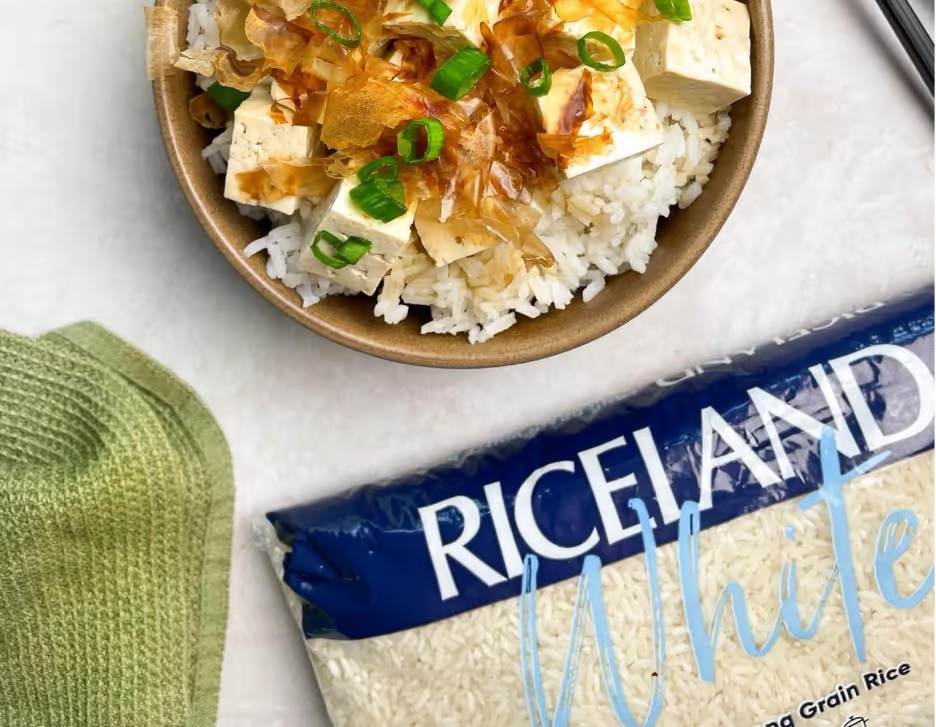
Trend: Shoppers are making fewer grocery trips and planning meals more intentionally. This is driving demand for pantry anchors that support batch cooking, leftovers, and multi-day meal plans. Retail trend reports note that center-store categories that enable flexibility are regaining strategic importance.4
Why rice fits: Rice performs across dayparts and occasions—from quick weeknight dinners to soups, bowls, casseroles, and even breakfast or dessert applications.
Riceland works to reinforce rice as a basket-building staple, supporting cross-merchandising with proteins, sauces, and seasonal promotions.
5. Trust & Domestic Supply
Trend: Shoppers increasingly care about where their food comes from—and retailers are prioritizing supply reliability as part of brand trust.5 Domestic sourcing and clear origin stories are becoming competitive advantages.
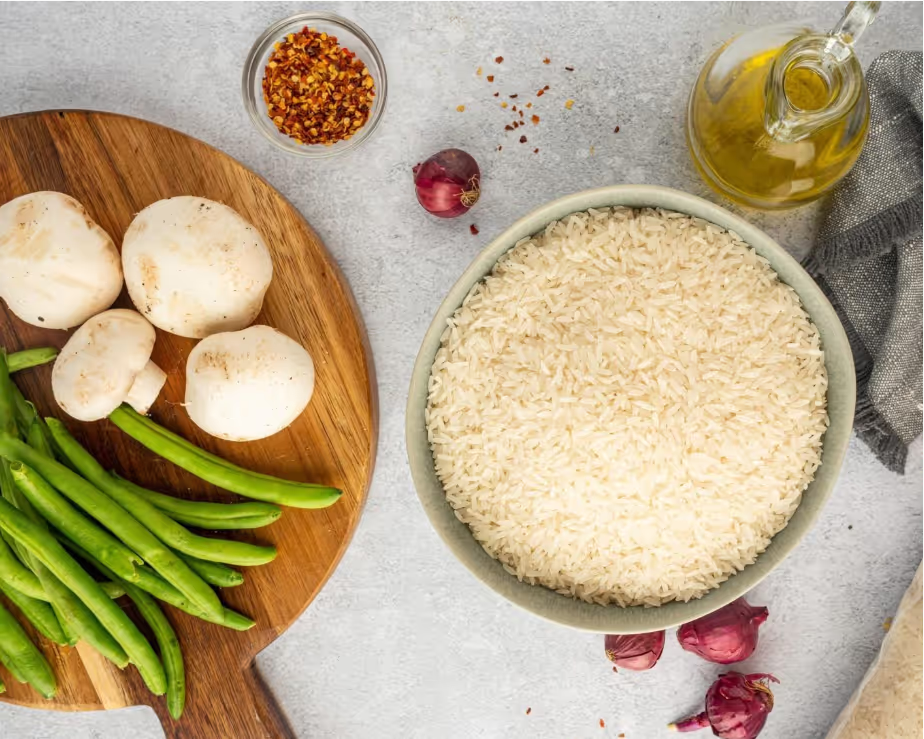
Why rice fits: U.S. Grown rice offers supply stability in a volatile global market. As a farmer-owned cooperative, Riceland brings a powerful story to the shelf: real farmers, real communities, and a dependable U.S. supply.
Looking Ahead
As grocery retail moves toward 2026, success will be driven by categories that deliver value, flexibility, trust, and cultural relevance. Rice isn’t just keeping up with these trends—it’s quietly anchoring them.
Riceland Foods is committed to being more than a supplier. We aim to be a strategic partner—supporting your goals with dependable products, insight-driven storytelling, and a shared commitment to feeding families well.
Sources
- Grocery Dive, 8 Top Trends Shaping the Grocery Industry in 2026
https://www.grocerydive.com/news/8-top-trends-grocery-industry-2026/807564/
- Smurfit Westrock, Top Retail Trends of 2026: What to Expect
https://www.smurfitwestrock.com/blog/top-retail-trends-of-2026-what-to-expect
- Webstop, 5 Grocery Marketing Trends to Watch in 2026
https://webstop.com/5-grocery-marketing-trends-to-watch-in-2026/
- Tastewise, 2026 Food & Beverage Trend Forecast